Blessed Aid Profile
Blessed Aid Profile
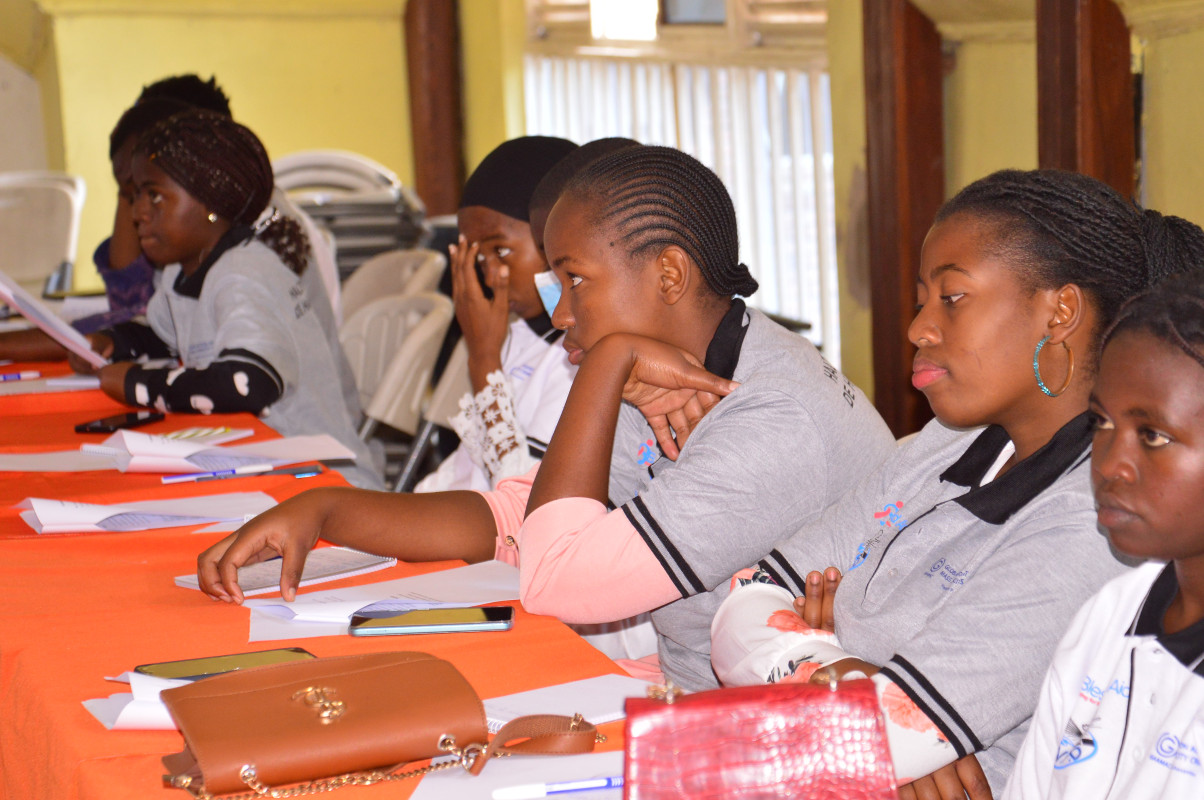
Blessed Aid is a Congolese non-governmental organization holding Special Consultative Status with the United Nations Economic and Social Council (ECOSOC). Founded in 2002, Blessed Aid works across the humanitarian–development–peace nexus, with a strong focus on protection, empowerment, and resilience-building for vulnerable populations.
Operating primarily in Eastern Democratic Republic of Congo, particularly in North Kivu Province, Blessed Aid has established itself as a credible and experienced local actor supporting women, girls, boys, and children affected by armed conflict, natural disasters, and forced displacement.
The organization is distinguished by its integrated and people-centered approach, combining emergency humanitarian assistance, sustainable economic empowerment, human rights promotion, and social transformation. Blessed Aid envisions a world free from discrimination, violence, and extreme poverty, where local communities are recognized as agents of change rather than passive beneficiaries.
Blessed Aid’s added value and institutional strengths
ü • Strong local roots and contextual expertise
Present in North Kivu for over two decades, Blessed Aid benefits from deep contextual knowledge, trusted community relationships, and a nuanced understanding of local conflict dynamics and vulnerabilities.
• Community-driven and participatory approach
Blessed Aid works directly with communities through local facilitators, women-led groups, youth networks, and beneficiary committees ensuring ownership, accountability, and sustainability of interventions.
• Prioritization of women, girls, and children
The organization is guided by the conviction that strengthening the social and economic empowerment of women, youth (both boys & girls), and children is essential to breaking cycles of poverty, violence, and exclusion in post-conflict settings.
• Specialized expertise in post-crisis economic resilience
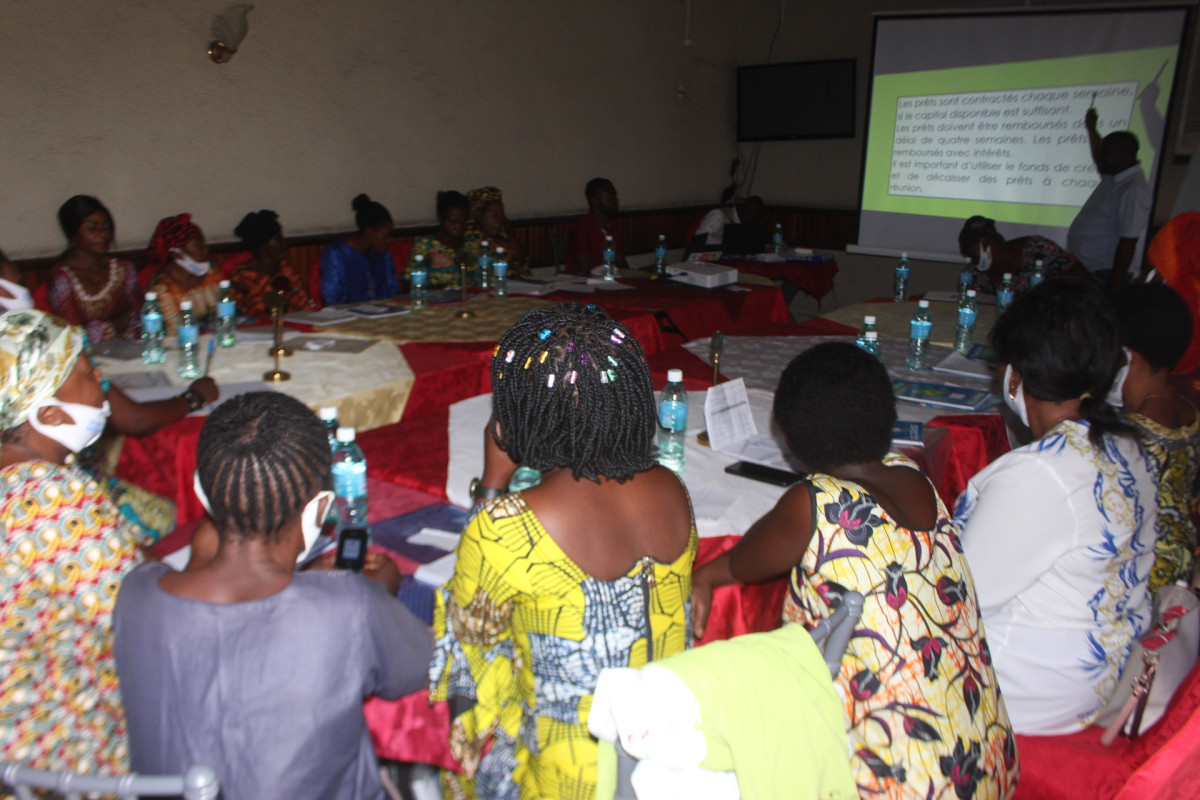
Blessed Aid has strong experience in livelihood recovery, Village Savings and Loan Associations (VSLA), income-generating activities (IGA), and community-based mutual aid mechanisms.
• Proven leadership in SGBV prevention and response
Since 2020, through its Gender Protect Program, Blessed Aid has strengthened the socioeconomic capacities of more than 600 women and girls, while integrating psychosocial, legal, and referral support for survivors of conflict-related sexual violence.
• Humanitarian–Peace–Development Nexus approach
Blessed Aid applies a holistic strategy that links emergency response, recovery, peacebuilding, and long-term development addressing immediate needs while tackling structural drivers of vulnerability and conflict.
• Demonstrated implementation and compliance capacity
The organization has successfully managed projects funded by international partners, meeting standards on financial management, transparency, safeguarding, and results-based reporting, with tangible impact on the ground.
Strategic Areas of Intervention
Blessed Aid structures its work around four strategic pillars:
1. Protection, Gender equality & Empowerment of vulnerable populations
This pillar focuses on:
- Protection of women, girls, boys, and children - Support to internally displaced persons (IDPs) and refugees - Women’s rights and prevention/response to sexual and gender-based violence (SGBV) - Dignity-based empowerment and rights-centered approaches
Focus: Safety, rights, resilience, and empowerment of the most vulnerable.
2. Education, Youth engagement & Human capital development
This pillar focuses on:
- Equitable access to quality education - Youth empowerment (girls and boys) - Peace education and civic engagement - Skills development in post-conflict contexts
Focus: Building knowledge, leadership, and future opportunities.
3. Community health, Mental health & Psychosocial wellbeing
This pillar focuses on:
- Basic community health services - Reproductive health - Mental health and psychosocial support (MHPSS) - Violence prevention and survivor-centered support
Focus: Healing trauma and restoring dignity in conflict-affected communities.
4. Community resilience, Peacebuilding & Sustainable development
This pillar focuses on:
- Community development and social cohesion - Peacebuilding and conflict prevention - Livelihood recovery and economic resilience - Local governance and inclusive participation
Focus: Long-term stability, self-reliance, and peaceful coexistence.
Partnership Positioning
Thanks to its deep local roots, thematic expertise, and strong commitment to the rights of women, youth, and children, Blessed Aid is a strategic and reliable partner for humanitarian, development, and peacebuilding initiatives particularly in complex and conflict-affected contexts such as Democratic Republic of Congo.
Latest News
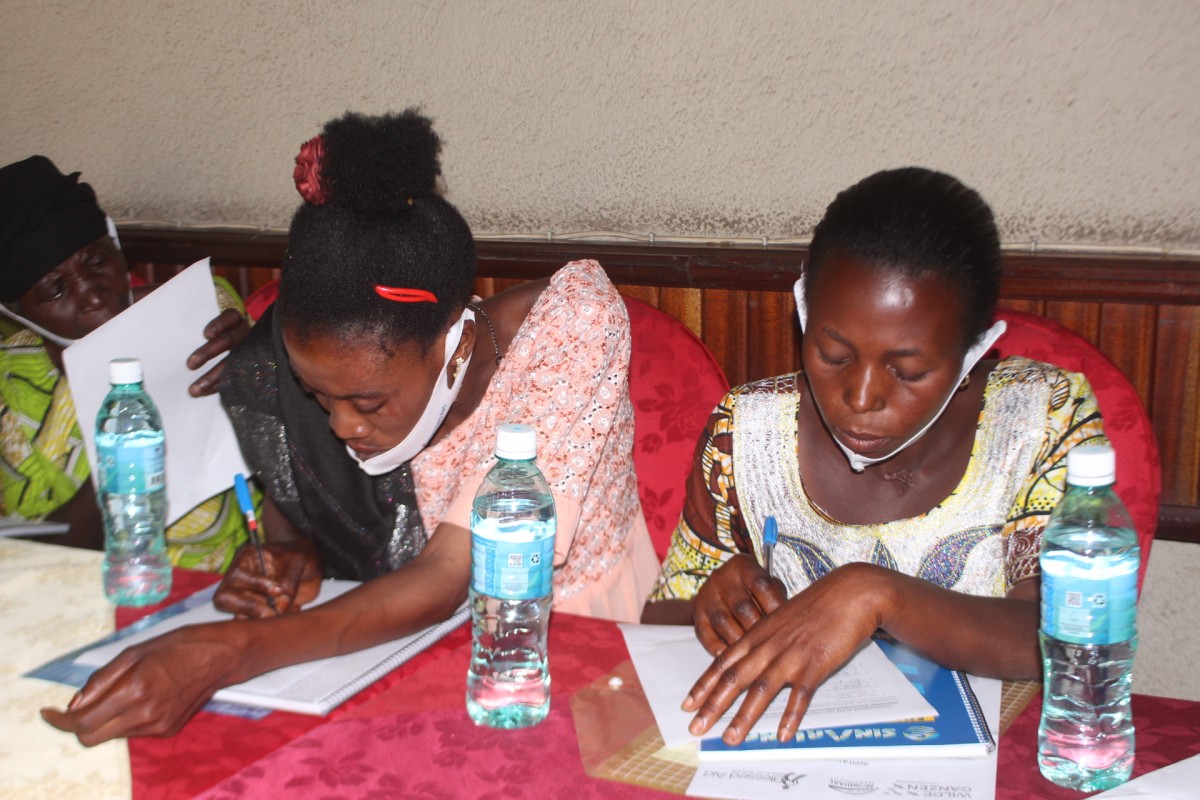
Women & Girls Capacity building on Economic Resilience
Field Stories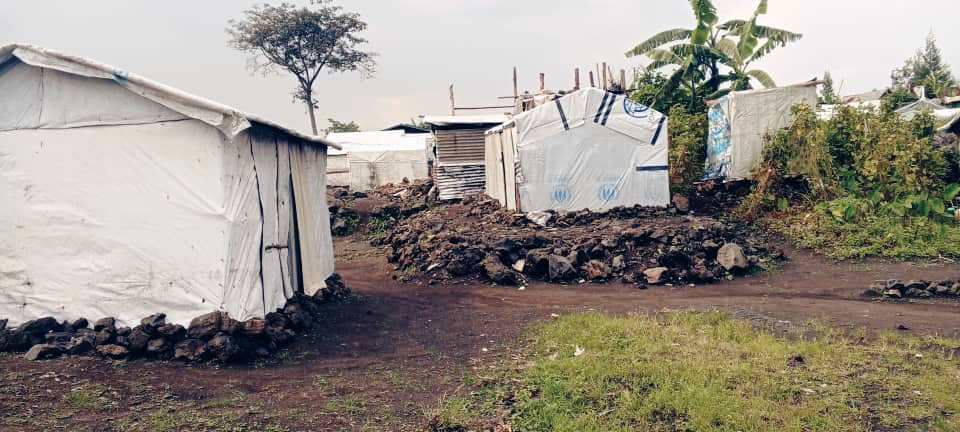
SITUATION DES ENFANTS ET PERSONNES DEPLACEES INTERNES RETOURNEES DANS LEURS VILLAGES AU NORD-KIVU, RDC
Field Stories